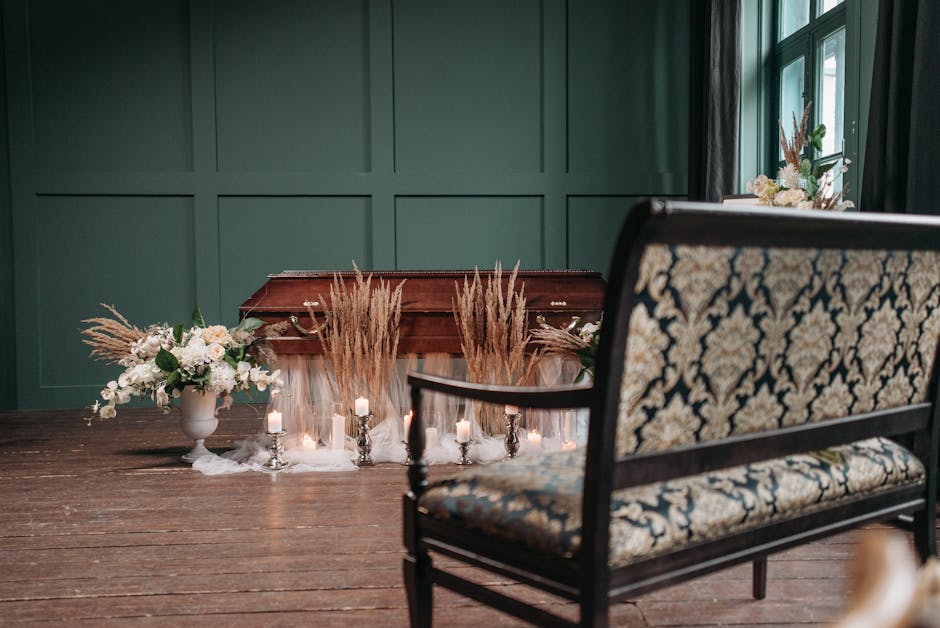
Balham funeral flowers local etiquette and council rules
Posted on 18/10/2026
Choosing funeral flowers in Balham is rarely just a matter of picking something beautiful. You want the tribute to feel respectful, local, and appropriate for the service, the family, and the setting. At the same time, there are practical questions that catch people out: what kind of flowers are suitable, who should send them, can you place them at a church, crematorium, or cemetery, and what do council rules actually mean in real life?
This guide to Balham funeral flowers local etiquette and council rules breaks all of that down in plain English. It covers local customs, respectful flower choices, delivery timing, what to check with venues and the council, and how to avoid awkward mistakes when time is tight and emotions are running high. Truth be told, that last part matters more than people expect.
Whether you are arranging flowers for a funeral, helping a family member, or simply trying to do the right thing without overthinking every detail, the sections below will help you make a calm, informed choice.
Table of Contents
- Why Balham funeral flowers local etiquette and council rules Matters
- How Balham funeral flowers local etiquette and council rules Works
- Key Benefits and Practical Advantages
- Who This Is For and When It Makes Sense
- Step-by-Step Guidance
- Expert Tips for Better Results
- Common Mistakes to Avoid
- Tools, Resources and Recommendations
- Law, Compliance, Standards, or Best Practice
- Options, Methods, or Comparison Table
- Case Study or Real-World Example
- Practical Checklist
- Conclusion
- Frequently Asked Questions
Why Balham funeral flowers local etiquette and council rules Matters
Funeral flowers do more than decorate a service. They signal care, respect, and understanding. In a place like Balham, where services may take place at churches, crematorium chapels, funeral homes, or graveside settings, the small details matter. A wreath, spray, posy, or letter tribute can feel deeply comforting when it fits the occasion. The wrong style, the wrong message, or a delivery that arrives too late can feel, frankly, like a problem nobody needed.
Local etiquette matters because funeral customs are often shaped by family preference, faith, venue practice, and the tone of the service. A traditional white arrangement may suit one family, while another may prefer something brighter, personal, or linked to a favourite flower. There is no single rule for every funeral, and that is exactly why a thoughtful approach works best.
Council rules matter because public spaces are not blank canvases. If flowers are going to be placed in a cemetery, near a memorial area, or outside a public facility, there may be guidance on where they can go, how long they remain in place, and what cannot be left behind. Even when the rules are quite practical rather than strict, following them avoids stress and keeps the tribute tidy and dignified.
It also helps avoid one common misunderstanding: people often assume a funeral flower order only needs to be "pretty." In practice, it needs to suit the service type, the delivery time, the recipient's wishes, and the venue's handling rules. A little planning goes a long way.
How Balham funeral flowers local etiquette and council rules Works
The process usually starts with the family's wishes, or with the venue if the arrangements are being made on someone else's behalf. From there, the florist, the delivery schedule, and the wording on the card need to align with funeral etiquette and any venue guidance. That sounds simple enough. In real life, there are several moving parts.
First, decide what type of tribute is appropriate. Common funeral flower forms include sprays, wreaths, posies, sheaves, cushions, hearts, crosses, letter tributes, and casket sprays. The right choice depends on whether the flowers are from immediate family, friends, colleagues, or a wider community group. A large casket spray is usually reserved for close family, while friends or work colleagues often choose a wreath, posy, or sympathy arrangement.
Second, check whether the flowers are for the service, the wake, the home, or the graveside. Each setting has different practicalities. A chapel arrangement may need to be compact and easy to place. A graveside tribute may need to be robust enough for outdoor conditions. A home sympathy bouquet usually needs a softer, less formal presentation.
Third, consider colour and flower choice. White flowers are commonly associated with peace and remembrance, while muted pastels can feel gentle and respectful. Some families prefer meaningful personal touches, such as a favourite colour, a specific flower, or a tribute that reflects faith or cultural tradition. For example, lilies are often associated with sympathy, while roses, chrysanthemums, carnations, and alstroemeria are frequently used in memorial work because they travel well and present neatly.
Finally, deliver at the right time and with the right note. Funeral flowers are usually ordered for specific delivery windows so they arrive before the service begins. A clear card message helps staff and family identify who the tribute is from. Short is often best. Something sincere beats something overworked every time.
If you are ordering through a local florist, pages such as funeral flowers in Balham SW12 and the wider Balham florist service can be useful starting points when you need something arranged quickly but still appropriately.
Key Benefits and Practical Advantages
Getting the etiquette and local rules right does more than prevent mistakes. It makes the whole process calmer for everyone involved.
- It protects the tone of the service. A well-chosen tribute supports the atmosphere rather than distracting from it.
- It reduces family stress. When flowers arrive correctly and in line with venue expectations, there is one less thing to manage.
- It helps with local logistics. Balham services can involve tight timing, limited access, and busy surrounding streets, so planning ahead matters.
- It avoids venue issues. Some places have rules about size, placement, or what may remain after the service.
- It allows for meaningful personalisation. Etiquette does not mean plain or impersonal. It simply means respectful.
There is also a quieter advantage: when your tribute is clearly appropriate, it feels more comforting to give. You do not spend the service wondering whether the flowers were "too much" or "not enough." That mental load disappears.
Expert summary: The best Balham funeral flowers are the ones that feel considered, fit the venue, and reflect the family's wishes. Etiquette is not about being rigid; it is about being thoughtful at a sensitive time.
Who This Is For and When It Makes Sense
This guidance is useful for anyone arranging or sending sympathy flowers in Balham, but different readers will need slightly different things.
Immediate family
Close family members often need help choosing casket sprays, coffin tributes, family wreaths, or a colour palette that fits the service. If you are making decisions with a funeral director, you may also need to coordinate exact delivery times and tribute labelling.
Friends and neighbours
Friends typically want to express care without overstepping. A wreath, posy, basket, or sympathy arrangement is often suitable. A smaller tribute can be just right. No need to overcomplicate it.
Workplaces and colleagues
For offices, teams, or local businesses, the key is to keep the tribute tasteful and collective. A card signed by the team, or a more formal tribute, is usually the practical path. If you need to coordinate many people, something ordered centrally tends to go smoother than lots of separate arrangements.
Faith and cultural communities
Some funerals have specific floral expectations or restrictions linked to tradition. In these cases, the safest approach is to ask gently rather than assume. A florist familiar with funeral work can often advise on symbolic colours, suitable forms, and what to avoid.
When it makes sense to be extra careful
Be especially careful when the service is at a chapel with limited space, when there is a burial immediately after the ceremony, or when the family has requested donations instead of flowers. A polite check can save embarrassment. Why guess when a two-minute call or message could clarify it?
Step-by-Step Guidance
If you want to make the process straightforward, follow these steps.
- Confirm the family's wishes. If flowers are not wanted, respect that first. Many families ask for donations or a charity collection instead.
- Check the service location. Funeral homes, churches, crematorium chapels, and cemeteries may each have different delivery arrangements.
- Select the tribute type. Choose a wreath, spray, posy, heart, cross, letter tribute, or bouquet based on your relationship to the deceased and the venue.
- Decide on colours and flowers. White, cream, soft pink, purple, and gentle mixed tones are often used. Personal preferences matter too.
- Write a brief card message. Keep it sincere and readable. For example: "With deepest sympathy from all of us at work" or "Forever in our thoughts."
- Arrange delivery timing. Ask for delivery before the service and confirm any access instructions. In Balham, timing can be tighter than people expect, especially if parking is limited.
- Check the receipt or confirmation. Make sure the tribute name, message, and venue details are correct. Small errors can turn into big headaches later.
- Follow up if needed. If flowers are to be laid at a cemetery or memorial site, ask where they should go and how long they can remain there.
A simple rule helps here: if the tribute needs to make its own way through a busy day, keep it practical as well as beautiful. A firm frame, secure hydration, and easy-to-read naming all help.
Expert Tips for Better Results
After years of seeing what works well and what tends to trip people up, a few patterns become obvious.
Choose based on relationship, not just budget
A smaller tribute can still be deeply respectful if it suits your role. A friend's wreath may feel more appropriate than a large family spray. Equally, close family may wish to choose a more substantial arrangement. It is about fit, not competition. Funerals are not a florist showdown, thankfully.
Keep the message short and clear
Long card messages can be hard to read once printed on a condolence card. Shorter wording is often kinder in practice. Use names people will recognise and avoid jokes or private references unless the family would clearly appreciate them.
Pick flowers that travel well
Balham funeral flowers may need to move across town, sit in a venue, and still look fresh at service time. Sturdy blooms and well-constructed tributes are worth prioritising. Lilies, roses, chrysanthemums, carnations, and alstroemeria are commonly used because they hold shape well.
Ask about aftercare or placement
If flowers are to be taken home, laid at a burial site, or left at a memorial garden, the receiving team may have preferences. Some venues are happy for flowers to remain for a period, while others need them collected promptly after the service.
Use personal details carefully
A favourite colour, a football team theme, a faith symbol, or a native flower can make a tribute more meaningful. Just make sure the personal touch still feels dignified. A little personality is lovely. Too much can become distracting.
Plan around timing and traffic
If you have ever tried moving through South London at the wrong moment, you will know the roads can feel unpredictable. Give yourself a buffer. Funeral flowers are not the kind of delivery you want arriving at the last minute while everyone is already at the venue.
Common Mistakes to Avoid
Most problems are avoidable. The tricky bit is noticing them before they happen.
- Ignoring the family's request. If they ask for donations only, do not send flowers anyway.
- Choosing the wrong tribute form. A casket spray is not usually something for casual friends to send unless the family has invited it.
- Overdoing the wording. Highly personal or overly long card messages can feel awkward in a formal setting.
- Forgetting venue rules. Some spaces restrict size, access times, or placement.
- Leaving delivery too late. Funeral schedules are fixed. A late arrangement can cause unnecessary stress.
- Picking unstable designs for outdoor placement. Wind, rain, and uneven ground can be unkind to delicate pieces.
- Assuming all flowers are equal. Some look lovely in a shop but travel badly. Others hold up beautifully.
A small mistake can be corrected. A misplaced tribute at the wrong venue, not so easily. So yes, it pays to be fussy for a moment.
Tools, Resources and Recommendations
You do not need specialist software or a complicated planning system. A few practical tools help enough.
- A clear funeral details sheet. Keep the service time, venue name, access instructions, and family contact details together.
- A shortlist of tribute types. Knowing whether you want a wreath, spray, posy, heart, or letter tribute speeds up decision-making.
- A note for the florist. Include colour preferences, flower dislikes, and wording for the card.
- Venue or council guidance. If flowers are going to a cemetery, public memorial, or council-managed space, check the local rules on placement and removal.
- Reliable local delivery. For time-sensitive orders, local expertise is often more useful than a generic national approach.
If you are also comparing tribute styles for different occasions, browsing the broader funeral and sympathy range can help you understand what is available, such as funeral arrangements, wreaths, sprays, and tributes. For softer condolences or a home visit, sympathy flowers may be a better fit.
Sometimes people ask whether they should choose from the florist's bestsellers or something more tailored. There is no universal answer. A well-chosen standard design can be perfect. A custom tribute can be ideal when the family wants a personal symbol or message. Both can work.
Law, Compliance, Standards, or Best Practice
When people say "council rules" in relation to funeral flowers, they are usually talking about local management rules rather than complex law. That can still matter quite a bit. Public cemeteries, memorial areas, crematorium grounds, and council-managed spaces often have practical guidance on what may be left, where floral tributes should be placed, and when items need to be removed.
The safest approach is to treat these spaces with the same care you would expect in any shared environment: follow instructions, keep pathways clear, and do not assume flowers can be placed anywhere. If there is a burial plot, memorial wall, or communal garden, the location may have its own rules about sizing, base fixings, labels, or temporary tributes.
Best practice in the UK funeral flower trade usually includes the following:
- respecting family wishes first
- making tributes stable and suitable for the setting
- labeling arrangements clearly
- using appropriate wording on cards and ribbons
- keeping deliveries within the agreed time window
- removing tributes from public areas if requested by the venue or family
If the service is linked to a faith tradition, additional customs may apply. Some communities place strong emphasis on white flowers, certain symbols, or specific forms of tribute. Others prefer no flowers at all. The main rule is simple: ask with care, then follow through properly.
Options, Methods, or Comparison Table
Different tribute styles suit different relationships and settings. If you are unsure, this comparison can help.
| Tribute type | Best for | Practical notes | Typical etiquette fit |
|---|---|---|---|
| Wreath | Friends, neighbours, colleagues, extended family | Neat and traditional; works well in most venues | Very versatile and widely accepted |
| Spray | Close family or group tributes | Often used on or near the coffin; can be formal or natural | Common for services and casket arrangements |
| Posy | Friends, distant relatives, sympathy gestures | Compact and easy to place; good for smaller spaces | Respectful without feeling too large |
| Heart | Close family, partner, children, deeply personal tributes | More emotional in tone; often chosen for intimate services | Best when the relationship is especially close |
| Letter tribute | Immediate family or teams honouring a name or role | Strong visual impact; needs planning and delivery care | Suitable when the family likes a more personalised statement |
| Sympathy bouquet | Home, condolence visit, or informal support | Less formal than a funeral spray; ideal outside the service setting | Gentle and supportive |
If you are buying from a local florist, you may also find that the shop's general flower categories help you understand style and budget. For example, a white arrangement may feel more traditional, while mixed arrangements can soften the mood without losing dignity.
Case Study or Real-World Example
Imagine a family in Balham arranging a service on a Friday morning. The immediate family wants a white casket spray. Two colleagues from work also want to send something, and a neighbour asks whether a small tribute is appropriate. The chapel has a limited delivery window, and the burial will take place later the same day.
Here is how that usually works best.
The immediate family chooses the main casket spray in white lilies and roses, with a simple ribbon message. The colleagues select a wreath with a card reading, "With deepest sympathy from everyone at the office." The neighbour sends a modest posy in soft pastel tones, delivered to the funeral venue rather than the family home. Because the venue has a narrow receiving period, all three orders are booked for the same morning with clear labelling.
Nothing dramatic. No fuss. The tributes arrive on time, the family recognises each sender, and the flowers fit the tone of the day. That is the ideal outcome, really. Not flashy. Just respectful and smooth.
If the same group had guessed at the venue details, sent flowers to the wrong place, or ordered late, the morning could have become much more stressful. This is why local coordination matters so much. The flowers themselves are only part of the story.
Practical Checklist
Use this before you place the order.
- Have I confirmed whether flowers are welcome?
- Do I know the exact venue, date, and service time?
- Have I checked whether the location has council or venue rules for tributes?
- Is this tribute appropriate for my relationship to the deceased?
- Have I chosen the right form: wreath, spray, posy, heart, cross, or bouquet?
- Do I know the preferred colour palette or any flower dislikes?
- Is my card message short, clear, and respectful?
- Have I given the florist any access or delivery instructions?
- Do I need the flowers to stay, be collected, or be moved after the service?
- Have I allowed enough time for the delivery to arrive calmly?
Tick these off one by one. It sounds basic, but these are the details that stop last-minute panic.
Conclusion
Balham funeral flowers local etiquette and council rules come down to a simple principle: choose with care, deliver with timing in mind, and respect the setting as much as the sentiment. When the tribute suits the family's wishes, the venue's practical rules, and the tone of the day, it does exactly what it should. It offers comfort without noise.
If you are arranging flowers now, focus on the essentials first: the right tribute type, the right delivery window, and the right message. Everything else becomes easier once those pieces are in place. And if you are unsure, it is perfectly fine to ask. Honestly, that is often the smartest move.
Get a free quote today and see how much you can save.
Frequently Asked Questions
What flowers are most appropriate for a funeral in Balham?
White lilies, roses, chrysanthemums, carnations, and alstroemeria are commonly used because they feel respectful and travel well. Soft mixed arrangements can also work if the family prefers a gentler, more personal look.
Do I need to follow council rules for funeral flowers?
If flowers are being placed in a council-managed cemetery, memorial space, or public area, yes, you should follow the local guidance. The rules are often practical rather than complicated, but they still matter for placement, timing, and removal.
Can I send funeral flowers if I cannot attend the service?
Yes, absolutely. Sending flowers is a thoughtful way to show support when you cannot be there in person. Just make sure the delivery details are correct and the tribute suits the setting.
What should I write on the funeral flower card?
Keep it short and sincere. Simple wording such as "With deepest sympathy," "In loving memory," or "Thinking of you all" is usually enough. Long messages are not necessary and can be harder to read.
Should close family choose a different tribute from friends?
Usually, yes. Close family often choose a casket spray or more substantial tribute, while friends, colleagues, and neighbours typically choose wreaths, posies, or sympathy arrangements. That said, family preference always comes first.
Are bright colours inappropriate for funeral flowers?
Not always. While white and muted tones are traditional, some families prefer brighter flowers that reflect personality, favourite colours, or a celebration-of-life tone. It depends on the family and the service.
How far in advance should funeral flowers be ordered?
As early as possible once the service details are known. If the funeral is soon, local same-day or next-day delivery options may help, but it is still better not to leave it to the last minute.
Can funeral flowers be delivered directly to the venue?
Yes, they often can, provided the venue accepts floral deliveries and you give the florist the correct timing and access details. This is common for chapels, funeral homes, and some crematoriums.
What if the family asks for donations instead of flowers?
Respect that request. If donations are preferred, send money to the nominated cause instead of flowers. That is the clearest way to support the family's wishes.
Are there cultural or faith-based rules I should know about?
There can be. Some faiths or families prefer white flowers, specific symbols, or no flowers at all. If you are unsure, ask gently. A respectful question is always better than a wrong assumption.
What happens to funeral flowers after the service?
That depends on the venue and the family's wishes. Flowers may go to the cemetery, be taken home, be shared among relatives, or be collected later. It is sensible to ask rather than guess.
What is the best choice if I want something simple and respectful?
A small wreath, posy, or sympathy bouquet is often a good choice. These options are tasteful, easy to place, and suitable for many different situations without feeling overdone.
Can local florists help with etiquette as well as delivery?
Yes, a good local florist can be very helpful with both. They can usually advise on tribute type, flower choice, message wording, and the practical side of getting the arrangement to the right place on time.
In the end, the best funeral flowers are the ones that feel honest, considerate, and quietly right for the moment. That is enough, and more than enough.